
Injectables & boosters
Poly- nucleotides.
Regenerative injectables that help your skin repair itself.
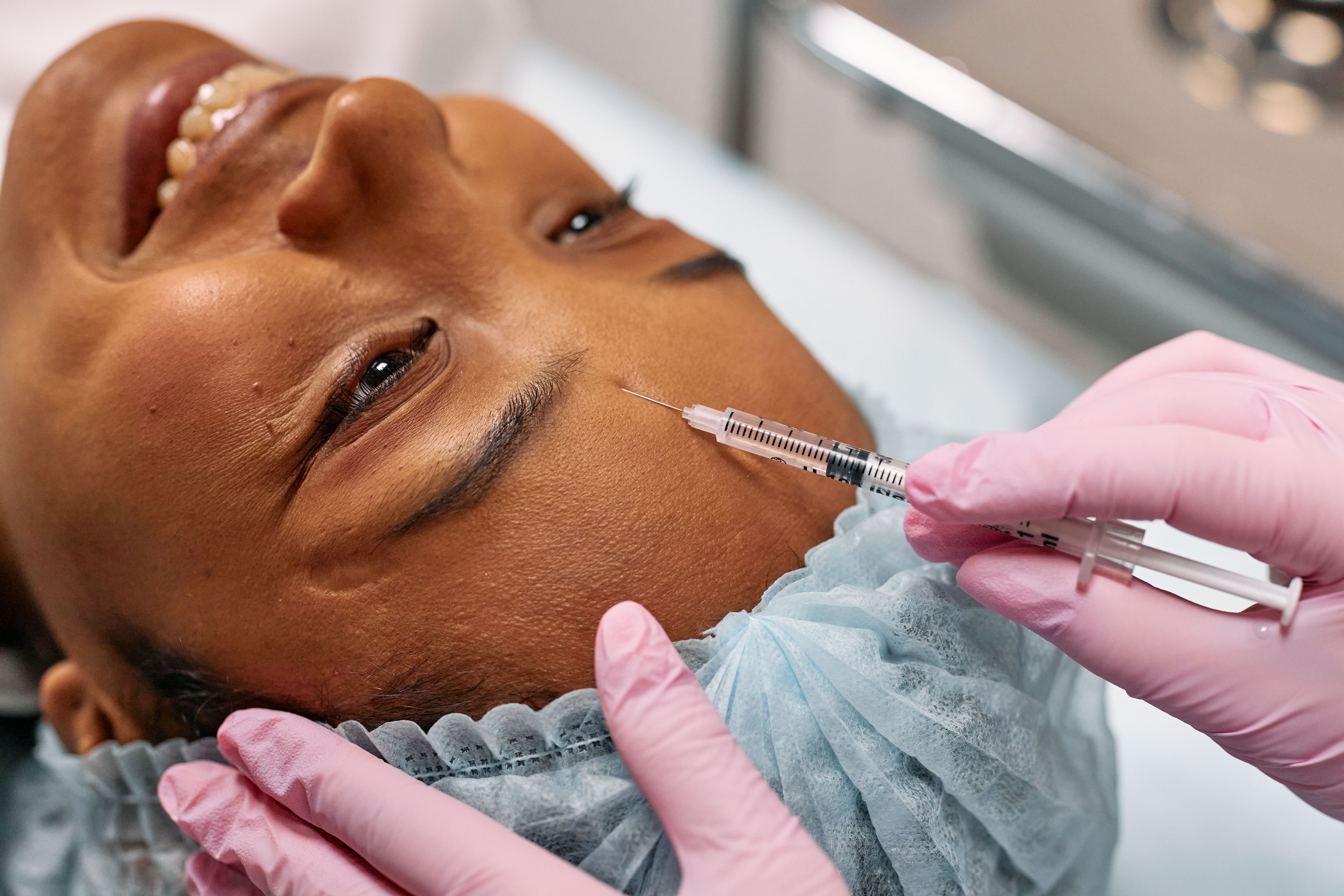

Prescriber-led. Always.
The honest bit
What it is, and
who it's for.
Straight talk before a single needle appears. If it's not right for you, we'll say so - and point you somewhere better.
Polynucleotides are chains of highly purified DNA fragments injected into the skin in tiny amounts. Rather than filling or freezing, they wake up your skin's own repair machinery - encouraging your cells to hydrate, firm and rebuild over time.
It's not a filler and it won't add volume. It's a regenerative treatment, so it always starts with a face to face consultation with our prescriber.
- Your skin looks dull, tired, crepey or dehydrated
- You want to improve skin quality, not change your features
- Fine lines, laxity or under-eye crepiness bother you
- You're happy to complete a short course for best results
- You're pregnant or breastfeeding
- You have a fish allergy - many polynucleotides are salmon or trout derived
- There's an active skin infection or breakout in the area
- You want instant volume or a lifting effect - that's a filler, not this
Your visit
In and out,
then it gets to work.
Each appointment is around 30 minutes. The real change happens quietly in the weeks afterwards, as your skin responds - which is why polynucleotides are done as a short course.
-
We chat first
Your prescriber assesses your skin quality, hydration and concerns, explains what polynucleotides can realistically do, and plans how many sessions you're likely to need.
-
The treatment
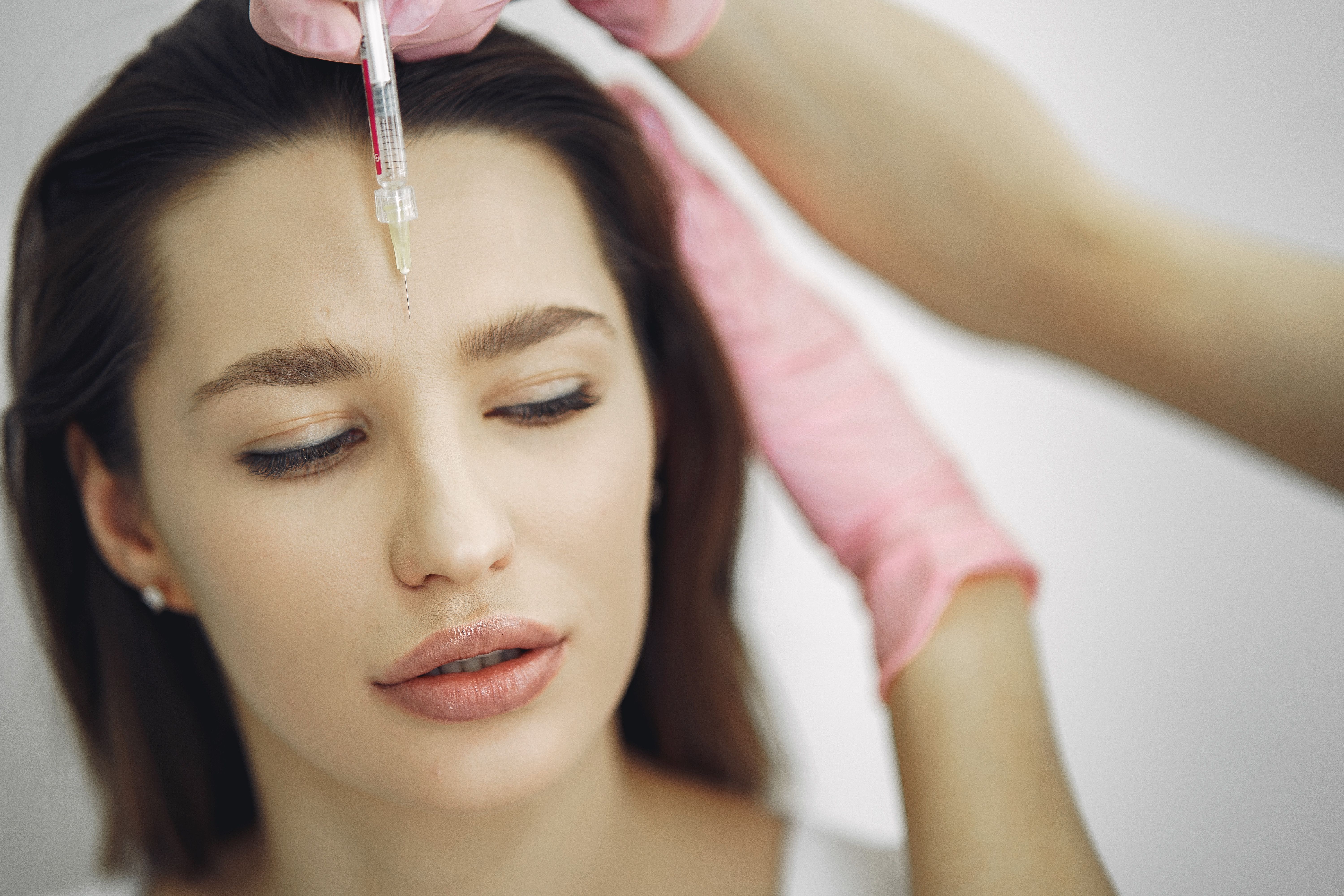
A series of small injections placed across the treatment area with a very fine needle or cannula. Most people find it very manageable; numbing cream can be used for sensitive areas.
-
How it feels after
Expect small raised bumps at the injection points that usually settle within a day or so. A little redness, swelling or the odd small bruise is normal and easy to cover.
-
Downtime? Minimal
Back to normal life the same day - just skip makeup for the rest of the day, and avoid the gym, saunas and alcohol for 24 hours while things settle.
Results
What to expect,
when.
Polynucleotides work by stimulating your own skin repair, so results build gradually and reward a full course - this isn't a one-and-done fix.
-
First few days after each session
Small injection bumps settle, and any redness, swelling or minor bruising fades. Nothing much to see yet - the work is happening beneath the surface.
-
Through the course
A course is usually 2-3 sessions spaced around 3-4 weeks apart. Skin tends to feel more hydrated and look fresher as each session builds on the last.
-
Weeks after your course
Improvements in hydration, texture, elasticity and overall skin quality continue to develop over roughly 2-3 months as your skin keeps repairing.
-
Longer term
Results are gradual and natural rather than permanent. Many people choose a maintenance session every 6-12 months to keep skin looking its best.
Results vary from person to person - your likely outcome, number of sessions and spacing will be assessed honestly at your consultation.
Real results
Before & after.
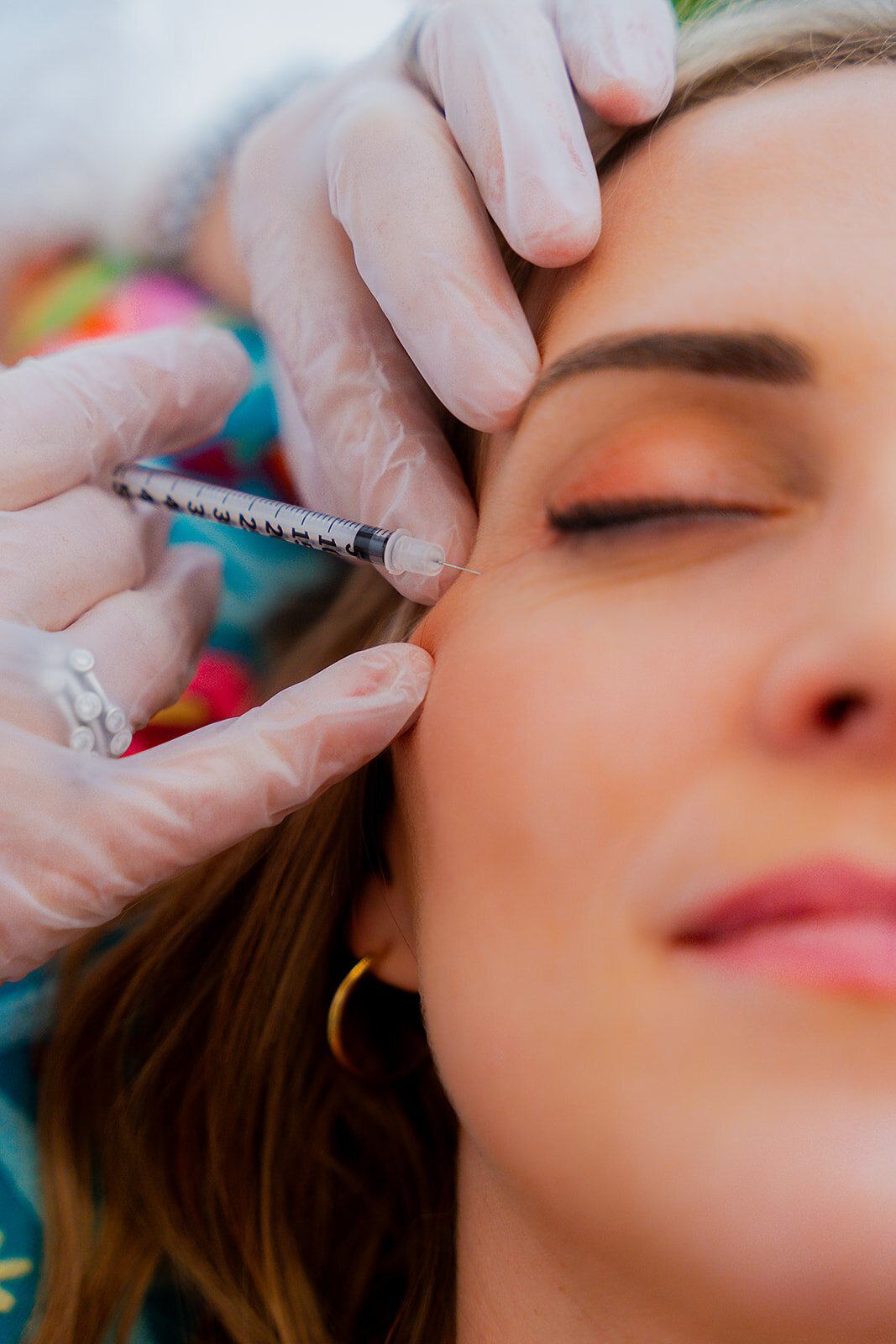
Real clients, real skin, no filters. We only ever share results with full permission.
[ Before / after - to be added ]
Happy to show you more in person - ask at your consultation and we'll talk you through results on skin like yours.
Aftercare
Help your skin heal.
Simple rules, big difference. We'll give you the full rundown on the day - here's the short version.
Do
- ✓ Keep the area clean and let any small bumps settle on their own
- ✓ Use a cool compress if there's mild swelling
- ✓ Stay hydrated and stick to gentle skincare for a few days
- ✓ Wear SPF 30+ daily to protect your healing skin
Avoid
- × Makeup over the area for the rest of the treatment day
- × The gym, saunas, steam and hot baths for 24-48 hours
- × Alcohol for around 24 hours, as it can worsen bruising
- × Active skincare, exfoliants and sunbeds on the area for a few days
Questions
Asked all
the time.
Are polynucleotides the same as dermal filler?
No. Fillers add volume and structure straight away, sitting under the skin. Polynucleotides work differently - they're a regenerative treatment that stimulates your own skin cells to repair, hydrate and firm over time. You won't see an instant volumising effect; instead the improvement in skin quality builds gradually over the weeks that follow.
How many sessions will I need?
Polynucleotides are done as a course, not a single treatment. Most people have around 2-3 sessions spaced roughly 3-4 weeks apart, then results continue to develop over the following couple of months. Your exact plan depends on your skin and your goals, which we'll assess honestly at your consultation. Many clients top up with a maintenance session every 6-12 months.
Is there any downtime?
Only a little. You'll usually have small raised bumps at the injection points that settle within a day or so, and some people get mild redness, swelling or the occasional small bruise. It's easy to get on with your day - just skip makeup for the rest of the treatment day and avoid the gym, heat and alcohol for 24 hours.
Ready when you are
Healthier skin,
built from within.
Book your consultation and let's talk honestly about whether polynucleotides are right for your skin. No pressure, no hard sell - just straight answers from people who care.
Back to all treatments- From[ Price - to be confirmed ]
- AppointmentAround 30 minutes per session
- With[ Practitioner - to be confirmed ]